India-GCC Trade Overview
The Gulf Cooperation Council (GCC) region comprising UAE, Saudi Arabia, Qatar, Kuwait, Bahrain, and Oman represents one of India's most important trading partners. Bilateral trade exceeded $180 billion in 2025, with significant growth projected through 2030.
The strategic location, strong diaspora presence (over 9 million Indians in GCC), and complementary economies make this region ideal for Indian exporters of food products, textiles, and engineering goods.
💡 Key Opportunity
The India-UAE CEPA (Comprehensive Economic Partnership Agreement) provides zero/reduced duty access for over 97% of tariff lines, giving Indian exporters a significant competitive advantage.
UAE Market Analysis
The United Arab Emirates is India's third-largest trading partner and the gateway to the entire Middle East and Africa. Dubai's role as a global re-export hub means products entering UAE often reach markets across the region.
Key Advantages
- CEPA Benefits: Zero duty on most products since 2022
- Free Zones: 45+ free zones with 100% foreign ownership
- Re-export Hub: 60% of UAE imports are re-exported
- Indian Diaspora: 3.5 million Indians creating demand for familiar products
🔥 High-Demand Products
- Rice and cereals
- Textiles and garments
- Gems and jewelry
- Pharmaceuticals
- Engineering goods
📍 Key Trade Zones
- Jebel Ali Free Zone (JAFZA)
- Dubai Multi Commodities Centre
- Sharjah Airport Free Zone
- Abu Dhabi Global Market
- RAK Free Trade Zone
Saudi Arabia Opportunities
Saudi Arabia is the largest economy in the GCC and offers massive opportunities driven by Vision 2030 diversification initiatives. The kingdom is investing $3.3 trillion in mega-projects requiring imports of construction materials, food, and industrial goods.
Vision 2030 Import Drivers
- NEOM: $500 billion futuristic city requiring all categories of imports
- Red Sea Project: Luxury tourism driving hospitality imports
- Food Security: 80% of food is imported, creating consistent demand
- Localization: Preference for partners willing to manufacture locally
📋 Market Entry Tip
Saudi Arabia requires a local agent/distributor for most B2B sales. Registering products with SFDA (Saudi Food & Drug Authority) is mandatory for food and pharma exports.
Qatar Market Insights
Qatar with its small population but high per-capita income offers premium market opportunities. Post-FIFA 2022, infrastructure continues expanding with new sports and tourism projects.
Qatar Strengths
- Highest per-capita income in the world
- Premium product demand
- Strong construction sector
- Growing tourism investment
Top Export Products for Middle East
Food & Agricultural Products
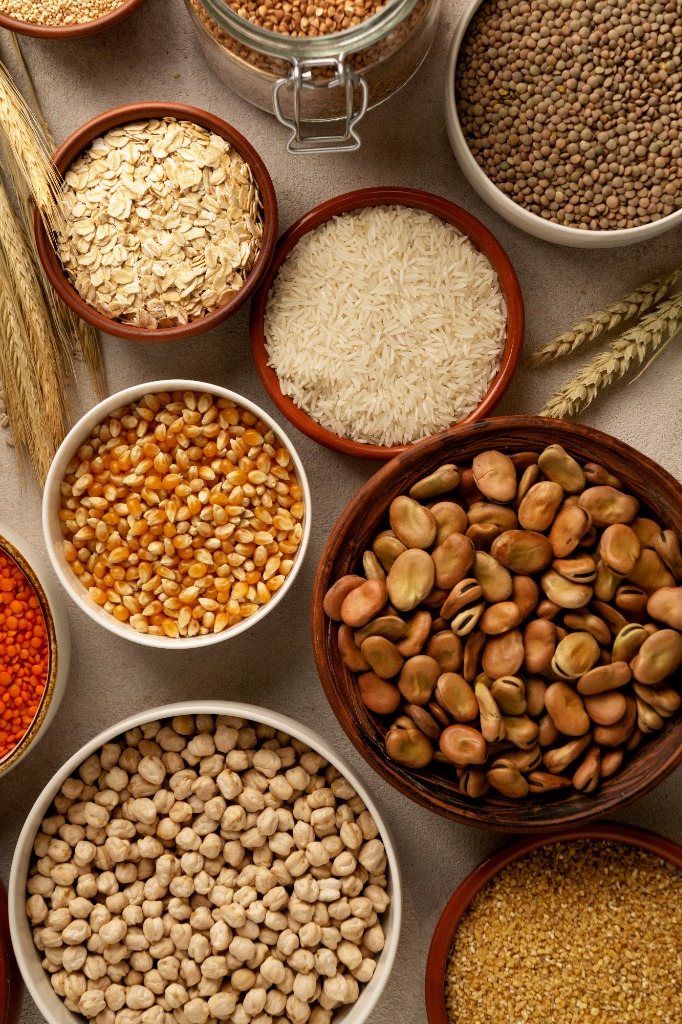
Rice, spices, tea, fruits, vegetables - high demand due to limited local production.
Textiles & Garments
Cotton fabrics, readymade garments, home textiles - price competitive vs. other sources.
Gems & Jewelry
Gold jewelry, diamonds, precious stones - Dubai is global hub for re-export.
Engineering & Machinery
Auto parts, pumps, electrical equipment - Vision 2030 projects driving demand.
Market Entry Strategies
Research & Compliance
Understand product certification requirements (Emirates Conformity Mark, SASO, etc.) and register on trade portals.
Identify Partners
Find local distributors/agents through trade shows, embassies, or platforms like Evergrade.
Start with UAE
Use UAE as entry point, leveraging CEPA benefits and Dubai's logistics infrastructure.
Expand Regionally
Once established, expand to Saudi Arabia and Qatar through same partner networks.
Explore Export-Ready Products
Connect with verified suppliers for Middle East export:


Conclusion
The Middle East remains one of the most promising export destinations for Indian businesses. With the India-UAE CEPA, Saudi Vision 2030, and Qatar's continued development, opportunities are abundant across all product categories.
Ready to Export to Middle East?
Connect with our experts who specialize in GCC market entry and find verified buyers.