

ASEAN-India Trade Overview
The ASEAN-India Free Trade Agreement (AIFTA) has created a powerful trade corridor connecting India to Southeast Asia's 700 million consumers. Bilateral trade crossed $130 billion in 2025, with significant untapped potential in manufacturing inputs and consumer goods.
India's "Act East Policy" has strengthened ties with the region, creating opportunities for exporters of chemicals, textiles, and engineering products.
💡 Strategic Advantage
As global supply chains diversify from China ("China+1" strategy), Southeast Asian manufacturers are sourcing more inputs from India, creating sustained B2B export demand.
Vietnam Market Analysis
Vietnam is the fastest-growing economy in ASEAN and a major manufacturing hub for global brands. With Samsung, Apple, and other giants manufacturing there, demand for components and raw materials is immense.
Key Opportunities
- Manufacturing Inputs: Steel, plastics, chemicals for electronics/textiles
- Textiles: Yarn and fabric for garment industry
- Pharmaceuticals: Growing healthcare spend
- Machinery: Industrial equipment for factories
🔥 High-Demand Sectors
- Electronics components
- Textile raw materials
- Steel & metals
- Pharmaceutical ingredients
📍 Key Trade Hubs
- Ho Chi Minh City (South)
- Hanoi (North)
- Hai Phong Port
- Da Nang (Central)
Indonesia Opportunities
Indonesia is ASEAN's largest economy with 280 million consumers and a rapidly growing middle class. The archipelago nation imports heavily in food, textiles, and industrial goods.
Market Drivers
- Population: 4th largest in the world, young demographics
- Urbanization: 56% urban, growing consumption
- Infrastructure: $430 billion spending planned to 2030
- Digital Economy: Fastest growing in region
📋 Entry Requirements
Indonesia requires SNI (Indonesian National Standard) certification for many products. Register with BPOM for food and pharmaceuticals. Halal certification is mandatory for food products targeting Muslim consumers.
Thailand Market Guide
Thailand is a manufacturing powerhouse known as the "Detroit of Asia" for automotive and the regional hub for electronics. It serves as gateway to Indochina markets.
Export Opportunities
- Auto Components: Major auto manufacturing base
- Chemicals: Industrial chemicals demand
- Gems & Jewelry: Global trading hub
- Food Ingredients: Processing industry inputs
FTA Benefits & Duties
The ASEAN-India FTA provides significant tariff benefits:
Normal Track (NT)
Duties reduced to 0% on 80% of tariff lines over scheduled period.
Sensitive Track (ST)
Partial reduction on sensitive products like agriculture and textiles.
Certificate of Origin
Form AI required to claim preferential rates. Obtain from authorized agencies.
Rules of Origin
Products must meet value addition criteria (typically 35-40% local content).
Logistics & Infrastructure
Sea Freight
Most economical. Chennai/Kolkata to Singapore/Vietnam in 7-10 days. Use for bulk cargo.
Air Freight
Premium products or urgent shipments. Delhi/Mumbai to Bangkok/Jakarta in 4-6 hours.
Land Route
India-Myanmar-Thailand corridor developing. Best for Northeast India exporters.
Explore Export-Ready Products
Connect with verified suppliers for Southeast Asia export:
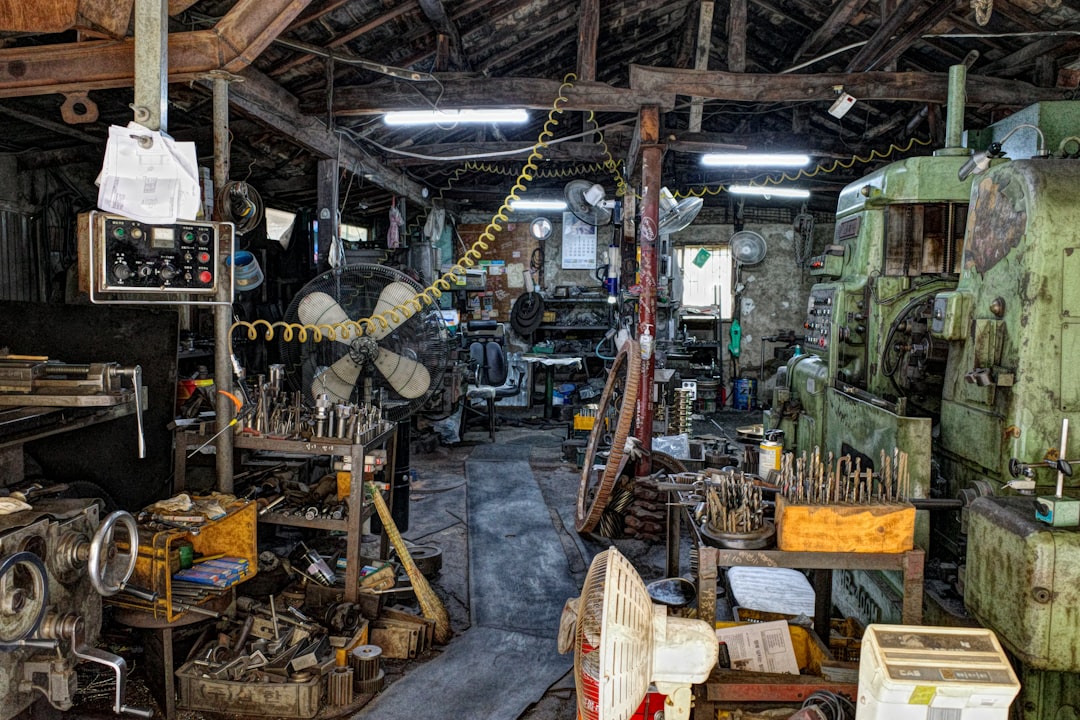

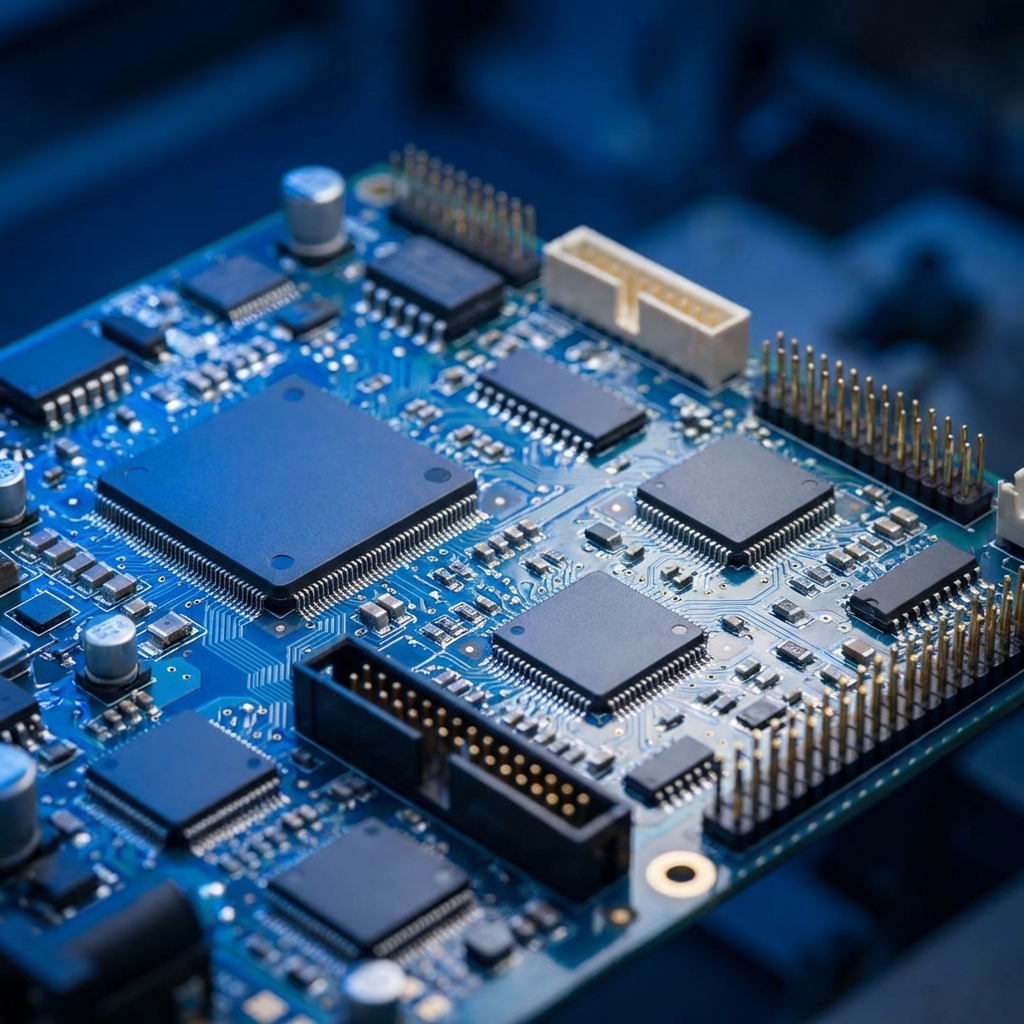
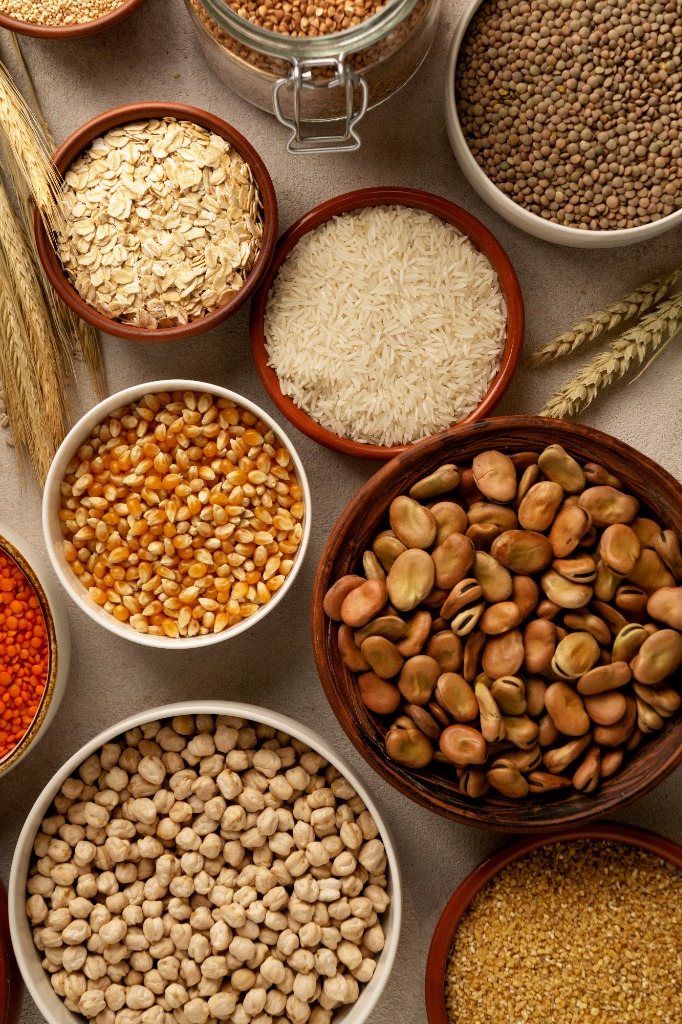
Conclusion
Southeast Asia represents a strategic growth market for Indian exporters. The combination of FTA benefits, geographic proximity, and supply chain restructuring creates unprecedented opportunities across sectors.
Ready to Export to Southeast Asia?
Connect with our experts who specialize in ASEAN market entry and find verified buyers.